

What Happens in a Coding Trial Class?

You sign your child up, they log in or walk into class, and then the big question hits - what happens in a coding trial class, really? If you are a parent trying to separate meaningful learning from just more screen time, that question matters. A good trial class should feel exciting for your child and reassuring for you.
A coding trial class is usually a short, guided introduction that shows how a program teaches, how your child responds, and what kind of projects they can create. It is not just a sales demo. At its best, it gives kids a real learning experience and gives parents a clear picture of whether the class is age-appropriate, engaging, and worth continuing.
What happens in a coding trial class from start to finish
Most coding trial classes begin with a warm welcome and a simple check-in. The instructor will usually ask a few easy questions to understand your child’s age, comfort with technology, and any past experience with coding or robotics. This part matters more than many parents expect because a strong teacher is not trying to impress the room with difficult material. They are trying to meet each child at the right level.
After that, the class typically moves into a quick introduction to the platform or tools being used. For younger children, that might mean colorful block-based coding with large visual elements and clear instructions. For older students, it could involve beginner Python, game development, robotics logic, or another hands-on activity with more structure.
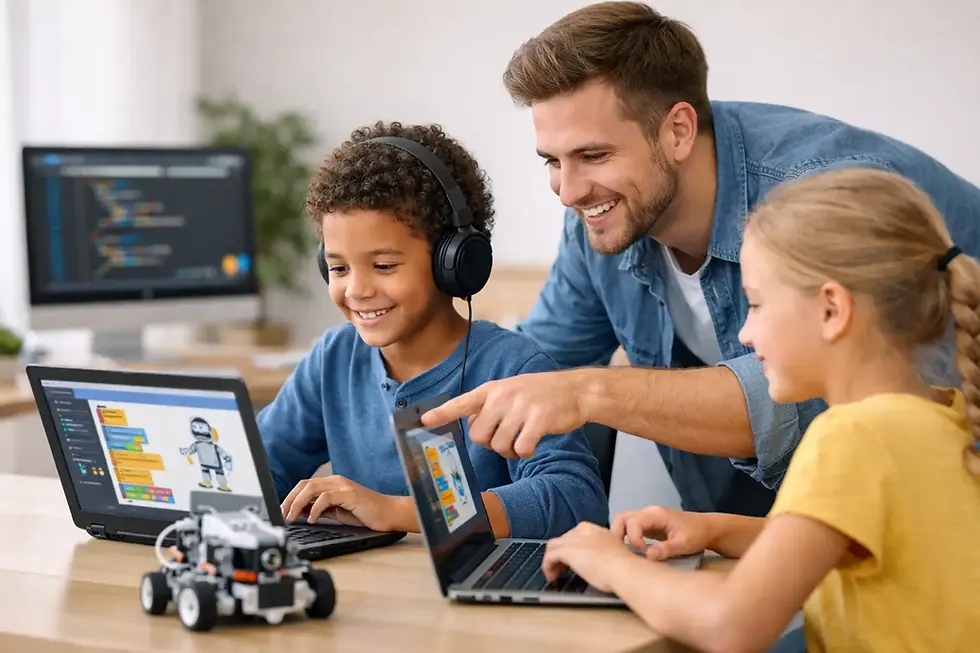
Then comes the most important part - building something. In a quality trial class, children do not spend the whole time listening. They click, drag, test, fix, and create. That could mean animating a character, designing a simple game action, making a robot follow a command, or writing a few lines of beginner-friendly code. The project is usually small by design, but it should be real enough that your child feels proud of making it.
The session often ends with a short recap. The instructor may highlight what your child tried, where they did well, and what the next learning steps could look like. Some classes also leave time for parent questions, which is useful if you want to understand the curriculum, class pacing, or recommended level.
The goal is not perfection
One of the biggest misunderstandings about trial classes is that children are expected to perform well right away. That is not the point. A coding trial class is not a test. It is a chance to see how your child learns in this kind of environment.
Some kids jump in immediately. They love experimenting, clicking buttons, and asking bold questions. Others are more careful. They watch first, follow step by step, and gain confidence once they see how the lesson works. Both responses are normal.
That is why parents should not judge the class only by whether their child finishes every step. A better question is whether the class helps them stay curious, try solutions, and feel supported when something does not work on the first attempt.
What your child is actually learning during the trial
Even in one short session, a well-run class teaches more than basic computer use. Children begin to understand the logic behind digital tools. They learn that programs follow instructions, that mistakes can be fixed, and that creating something on a screen takes planning and testing.
Depending on the age group, they may also be introduced to sequencing, loops, events, conditions, coordinates, or simple debugging. Those words may sound advanced, but in a trial setting they are usually taught through action rather than theory. A child might not say, “I learned algorithmic thinking today,” but they may absolutely practice it while making a character move or solving a task.
There is also a less obvious benefit: confidence. When a child realizes they can build even a small digital project, coding starts to feel possible. That shift matters. It turns technology from something they only consume into something they can shape.
What parents should look for in a coding trial class
If you are watching from the side or hearing about the class afterward, pay attention to more than just whether it looked fun. Fun matters, but structure matters too.
A good trial class should feel organized and active. The instructor should explain clearly, keep the pace suitable for the age group, and make room for questions. Your child should be doing something, not just watching someone else code. The project should be simple enough to finish or mostly finish, but meaningful enough to spark excitement.
You should also notice how the teacher responds when children get stuck. This is often the clearest sign of quality. Strong instructors do not rush in with every answer, and they do not leave kids frustrated either. They guide, prompt, and encourage problem-solving in a way that builds independence.
Another sign to watch is engagement. Does your child seem focused? Do they want to show you what they made? Do they ask if they can do more? Those moments often tell you more than any brochure can.
What happens in a coding trial class for different ages
Not every trial class should look the same, because a six-year-old and a fourteen-year-old learn very differently.
For younger children, classes are usually more visual and playful. Instructions are shorter, projects are highly interactive, and the teacher may use stories, characters, or game-like tasks to keep attention strong. At this age, the goal is often to build comfort with logical thinking and creative exploration.
For elementary and middle school students, trial classes often introduce more structured project work. They might create a mini game, animate a scene, or learn how commands affect movement and behavior. Kids in this range can usually handle more independent clicking and testing, but still benefit from clear guidance and quick feedback.
Teenagers often want to know that the class feels real. They may be more motivated by practical outcomes such as making a game, learning Python, or understanding how coding connects to future skills. For them, a trial class should still be beginner-friendly, but it should not feel childish. The best sessions balance accessibility with challenge.
Online versus in-person trial classes
Both formats can work well, and the better choice depends on your child.
Online trial classes are convenient and often a great fit for children who are comfortable using a computer at home. They also let parents observe more easily. If the class is well designed, the instructor can still be highly interactive through live guidance, screen sharing, and direct check-ins.
In-person classes can be especially helpful for younger learners or children who focus better in a physical classroom. The hands-on environment can make teamwork, robotics, and guided support feel more natural.
There is no universal winner here. Some children thrive online because they feel comfortable in familiar surroundings. Others become more engaged when they are physically in a learning space. What matters is not the format alone, but whether the teaching stays interactive and age-appropriate.
Questions parents often have after the class
Many parents finish a trial class with three practical questions: Was my child really learning, was the class level right, and what happens next?
The answer usually depends on how your child responded during the session. If they were interested, completed part of the activity, and seemed proud of the result, that is a strong sign the class was a good fit. If they struggled, that does not automatically mean coding is not for them. It may simply mean they need a different pace, age band, or teaching style.
This is where a thoughtful provider stands out. Instead of pushing every child into the same next step, they should help you understand which course matches your child’s current stage and interests. MiniMindsDevs, for example, focuses on structured, hands-on learning so children can move from first exposure to real project building with confidence.
Why the trial class matters more than it seems
A trial class is not just about seeing if your child likes coding for one hour. It is a first glimpse into how they handle challenge, creativity, and problem-solving in a new environment. For some children, it confirms an existing interest. For others, it introduces a whole new way to think and create.
That is why the best trial classes do not try to overwhelm kids with impressive jargon or complex tasks. They create a win early on. They show children that coding can be fun, doable, and rewarding. And they give parents something even more valuable - a clearer sense of whether this is the kind of learning experience that can grow with their child.
If your child finishes a trial class smiling, curious, and a little more confident than when they started, that is a very good place to begin.


Comments