

Hands-On STEM Classes Kids Actually Love

A child who can spend an hour building a robot, fixing a game bug, or testing a simple circuit is doing far more than staying busy. That is why hands on STEM classes kids join early can make such a lasting difference. When children get to build, test, adjust, and try again, STEM stops feeling like a school subject and starts feeling like something they can do.
For many parents, that shift is the real goal. It is not just about raising a future programmer or engineer. It is about helping a child become curious, confident, and comfortable solving problems without giving up the moment something gets tricky.
Why hands on STEM classes kids need work better than passive learning
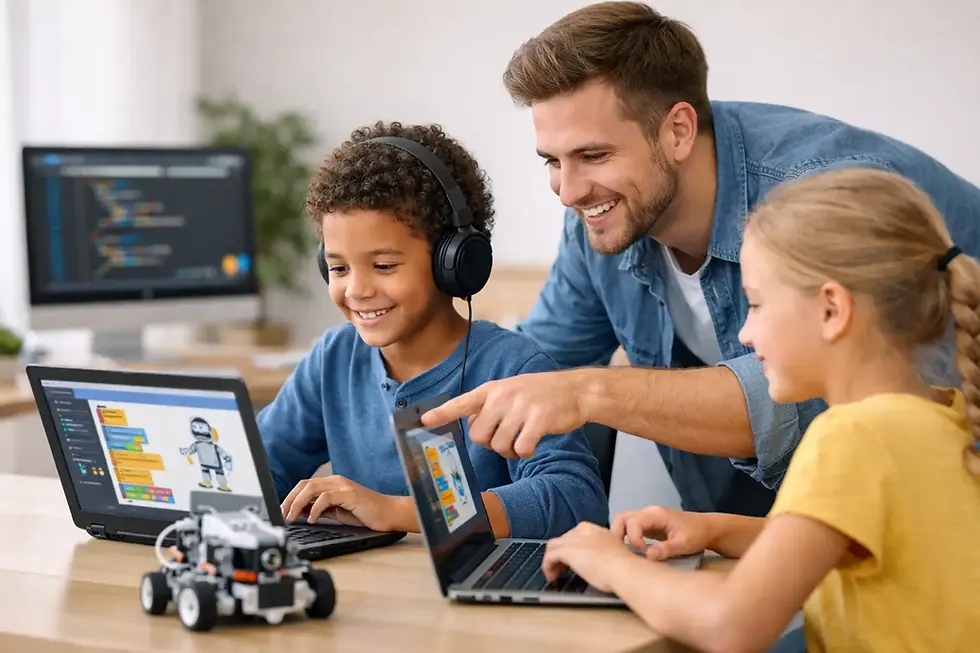
Children learn technical ideas faster when their hands and minds are both involved. Watching a video about coding can introduce a concept, but creating a simple game makes that concept stick. Reading about robotics can sound exciting, but assembling moving parts and seeing a robot respond creates a much deeper understanding.
That is especially true for younger learners. Kids rarely connect with abstract explanations for long. They want to press buttons, test ideas, make mistakes, and see what happens next. A good STEM class turns that natural energy into progress.
Hands-on learning also changes how children feel about failure. In a project-based class, mistakes are not a dead end. They are part of the process. If a robot does not move, the child checks the build. If the game character does not jump, the child revisits the code. That loop of trying, fixing, and improving builds resilience in a way worksheets usually do not.
What parents should look for in hands on STEM classes for kids
Not every STEM program offers the same experience, even when the brochure says otherwise. Some classes are highly interactive. Others are mostly lecture with a small activity added at the end. The difference matters.
A strong class gives children something real to create. That could be a beginner coding project, a robotics challenge, a simple app, a sensor-based build, or a game they can play and improve. The project does not need to be complicated. It just needs to be meaningful enough that the child feels ownership over it.
Age fit matters just as much. A five-year-old needs a very different pace from a thirteen-year-old. Younger children do best with visual tools, clear goals, and quick wins. Older students can handle more logic, longer projects, and deeper problem-solving. When a class matches the child’s stage, confidence grows faster.
Instruction style is another big factor. The best teachers do not just know technology. They know how to teach children. They can explain ideas simply, encourage hesitant learners, and keep advanced learners challenged without leaving beginners behind.
Parents should also look at class size and support. A hands-on class only works when students get enough guidance to stay engaged. If a child spends most of the session waiting for help, excitement fades quickly.
The skills kids build beyond coding and robotics
Parents often sign up for STEM because they want practical future-ready skills, and that makes sense. Coding, robotics, and digital creation are valuable. But the hidden benefits are often just as important.
Children in project-based STEM classes practice logical thinking. They learn to break a big problem into smaller parts. They begin to notice patterns. They get used to asking, "What caused this?" instead of saying, "I am bad at this."
They also build creative confidence. That may sound surprising if you think of STEM as technical and rigid, but good STEM learning is highly creative. Kids make choices, design characters, solve build challenges, and experiment with different outcomes. They are not just consuming technology. They are creating with it.
Communication grows too. In many classes, students explain how their project works, talk through problems, or collaborate on solutions. That kind of speaking and sharing builds confidence that carries into school and everyday life.
Then there is independence. A child who learns how to troubleshoot a coding error or improve a design starts to trust their own thinking. That is a big step for many kids, especially those who are quick to get frustrated.
Which types of STEM classes are best for different ages
There is no single best option for every child. It depends on age, interests, and learning style.
For younger kids, beginner coding, simple robotics, and interactive STEM activities tend to work well. At this stage, the goal is to build curiosity and confidence. Children should leave class feeling excited, not overwhelmed. Visual programming platforms, guided builds, and playful problem-solving usually create the best start.
Elementary-age kids often do well with coding projects, robotics kits, and beginner engineering tasks that produce visible results. They enjoy seeing something move, react, or come to life on screen. This is where hands-on learning can really click because children begin connecting effort with outcome.
Older kids and teens are ready for more depth. Python, game development, mechatronics, and advanced robotics can be a great fit if they are taught in a structured, beginner-friendly way. Some students want a serious technical challenge. Others need a creative angle to stay interested. The best programs give both structure and room to build something personal.
A child does not need to be "techy" to enjoy STEM. In fact, many students engage most when the class feels like a creative project rather than a formal lesson. A game-building class may hook one child. A robotics challenge may inspire another. Interest often grows after the first successful project.
Online or in-person STEM classes?
This is one of the most common parent questions, and the honest answer is that it depends.
In-person classes can be easier for younger children because the environment is controlled and help is immediate. Physical materials also add excitement, especially in robotics and engineering activities. For children who focus better outside the home, in-person learning can be a strong choice.
Online classes offer flexibility and can still be highly interactive when they are designed well. Live instruction, guided project work, and regular feedback can make online STEM feel active rather than passive. For coding and digital projects in particular, online learning can work extremely well.
The key is not just format. It is whether the class keeps the child participating. A strong online class with live support is often better than a weak in-person class with limited interaction. Parents should focus less on the delivery method alone and more on how much creating, testing, and feedback the child will actually experience.
Signs a STEM class is working
You do not need to wait months to know whether a class is a good fit. The signs usually show up early.
A child who is enjoying the experience will often talk about what they made. They may want to show a project, repeat an activity at home, or ask new questions. Even if they found parts challenging, they will usually seem proud of figuring something out.
Progress also looks like growing patience. A good class does not remove difficulty. It teaches children how to move through it. If your child becomes more willing to test ideas, fix mistakes, and stick with a problem longer than before, that is real growth.
Of course, not every class will be perfect. Some children need time to warm up. Some need a different subject area within STEM. If coding does not click right away, robotics might. If robotics feels too mechanical, game design may be the better entry point. The right fit matters more than forcing one specific path.
Choosing a class that grows with your child
The strongest STEM programs do not treat one class as the finish line. They give children a starting point and room to progress. That matters because confidence builds step by step.
A beginner should be able to enter without feeling behind. At the same time, a child who enjoys the subject should have a clear next level to move into. That progression helps parents avoid the common problem of enrolling in a fun first class that leads nowhere.
This is where structured programs can really help. A child might start with visual coding, move into robotics, and later explore Python or game development. Each stage adds skill while keeping learning active and engaging. For families in Malaysia looking for that kind of pathway, MiniMindsDevs is built around exactly this project-based approach.
When STEM is taught well, children do not just gain technical knowledge. They start seeing themselves as capable builders, thinkers, and creators. That belief can shape how they approach school, challenges, and future opportunities long after the class ends.
The best next step is usually simple: choose a class where your child gets to make something real, ask questions freely, and leave feeling proud of what they created.


Comments